+421 950 333 113info@handymade.store

Spend over €100 for discounted shipping!

HERBAL INFUSIONS AND EXTRACTS

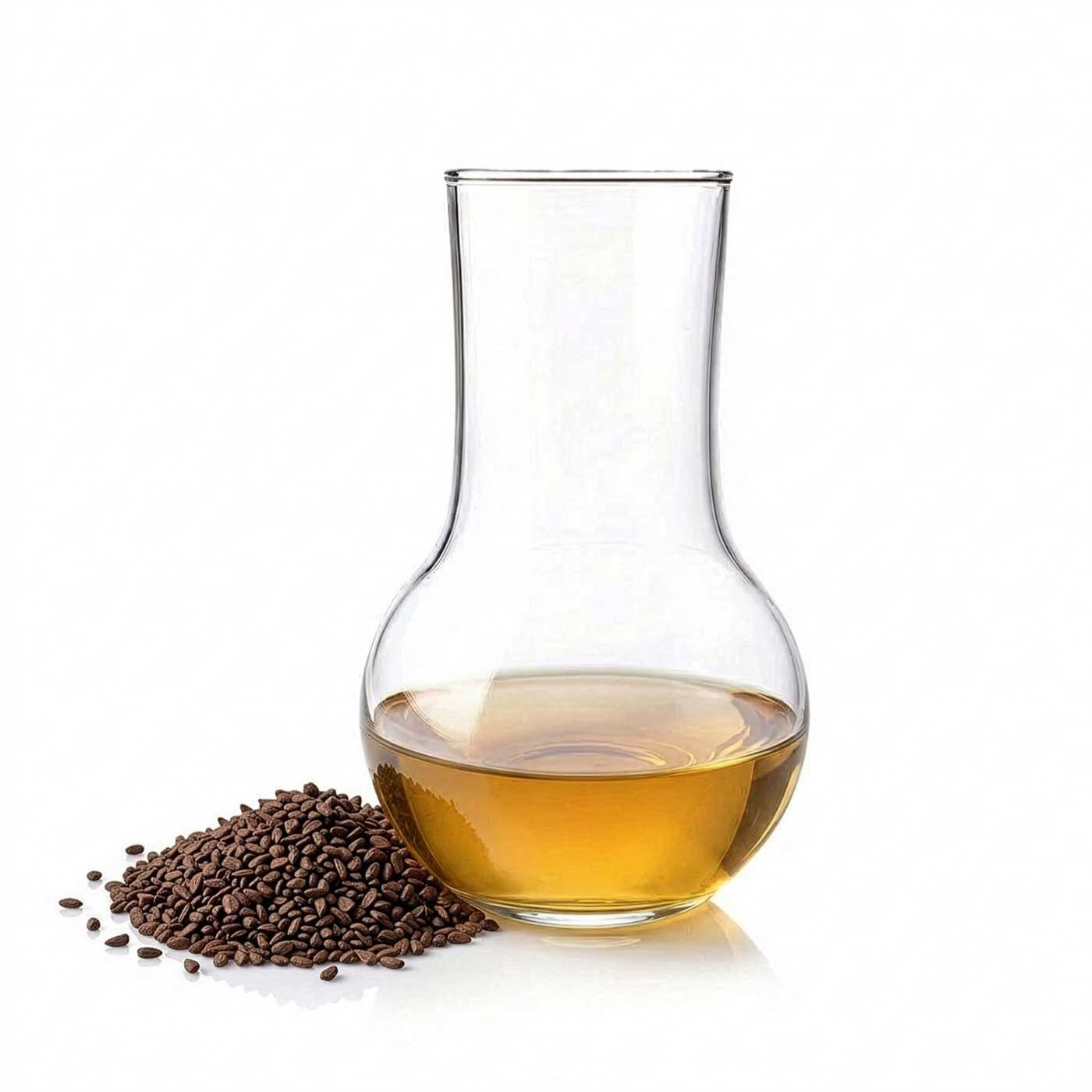
Centella Asiatica, Fermented Water Extract, 1 l

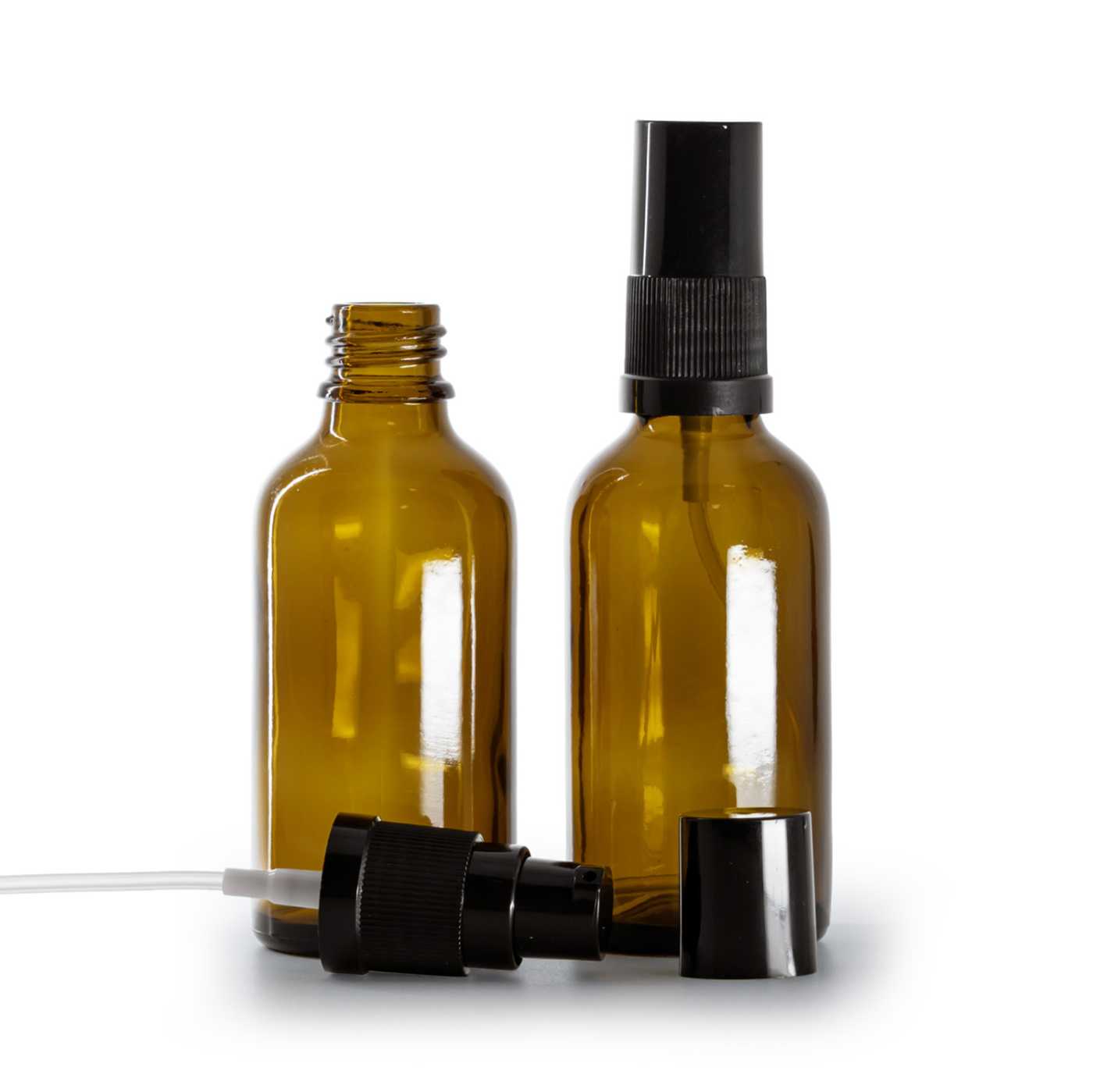
Pack size50 ml100 ml500 ml1 l

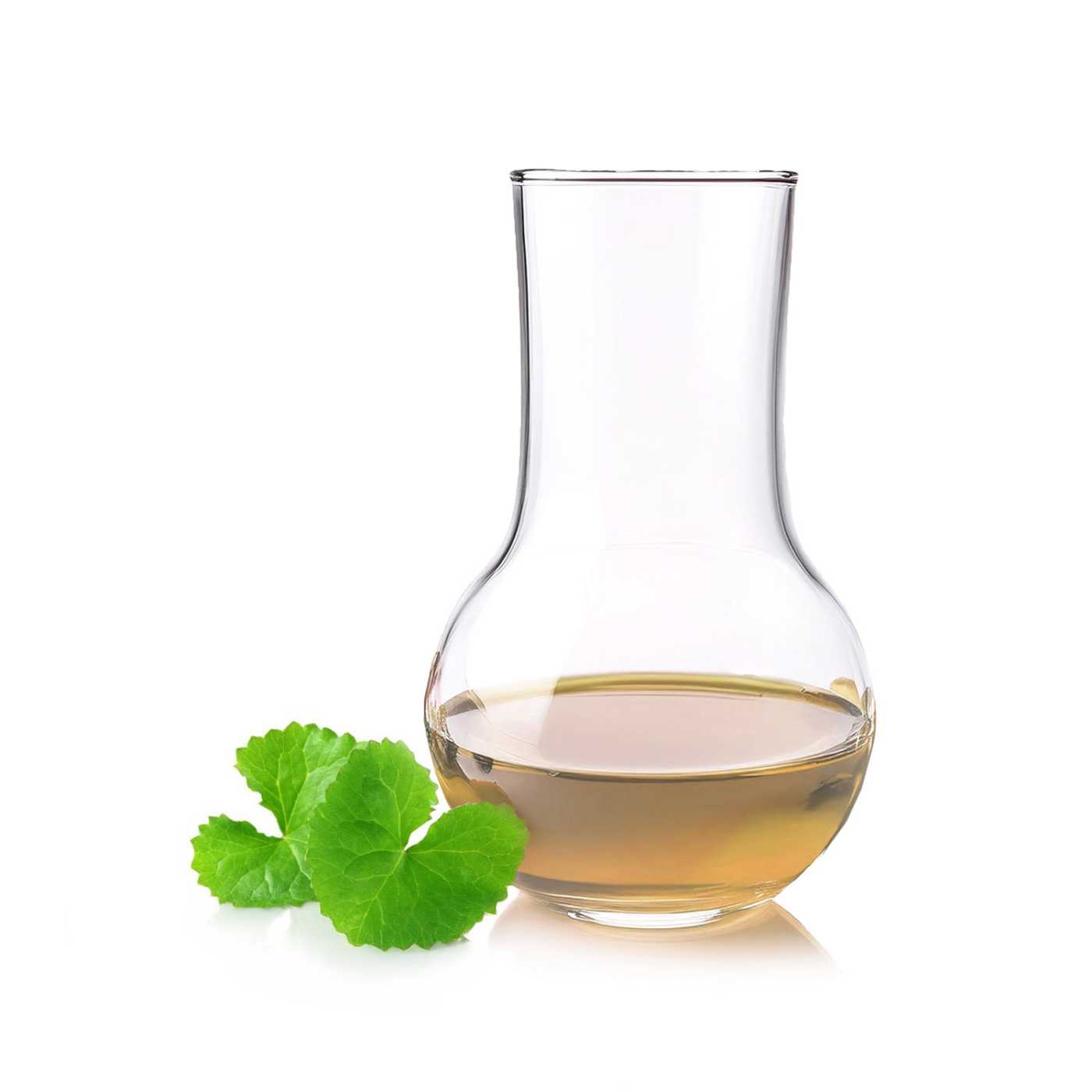
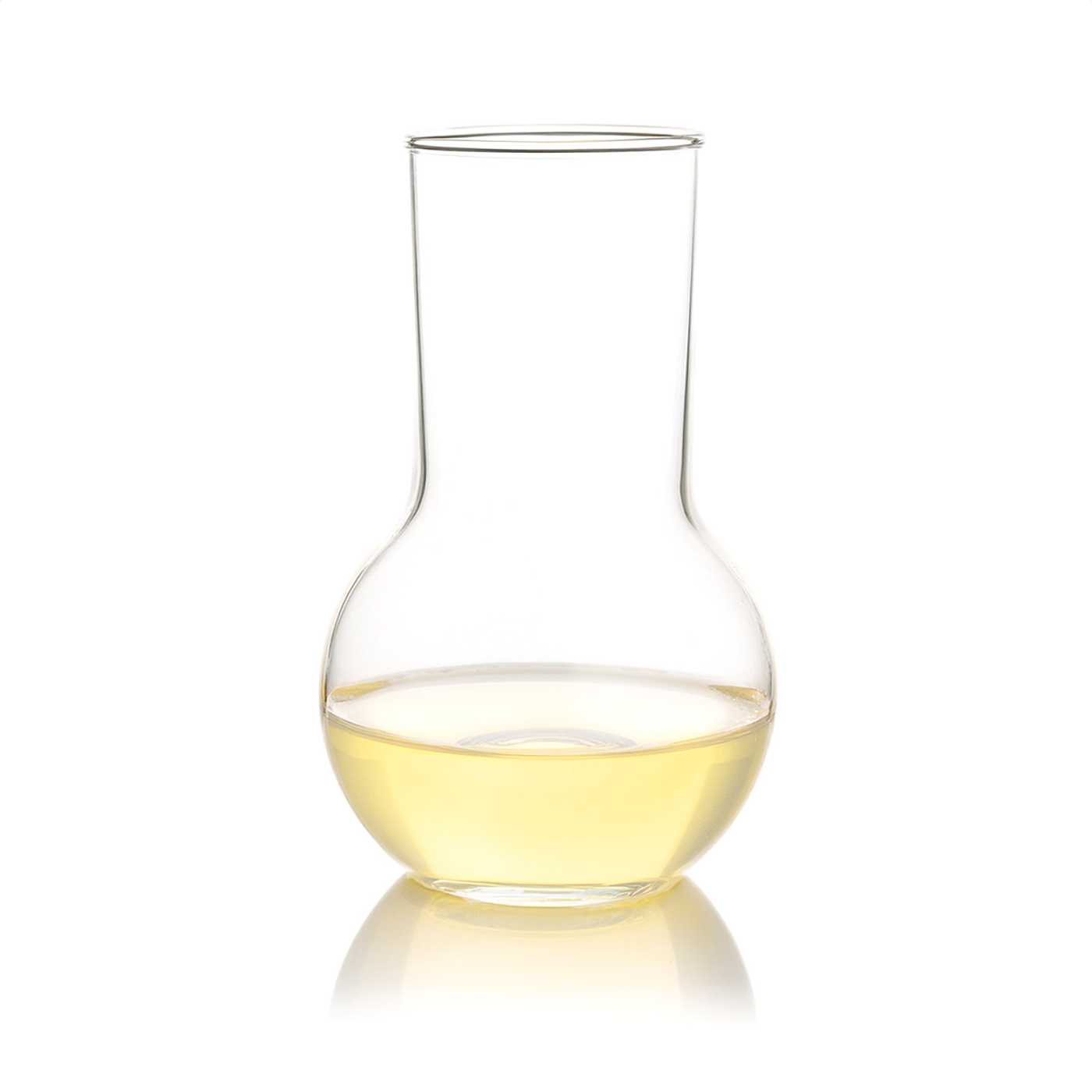
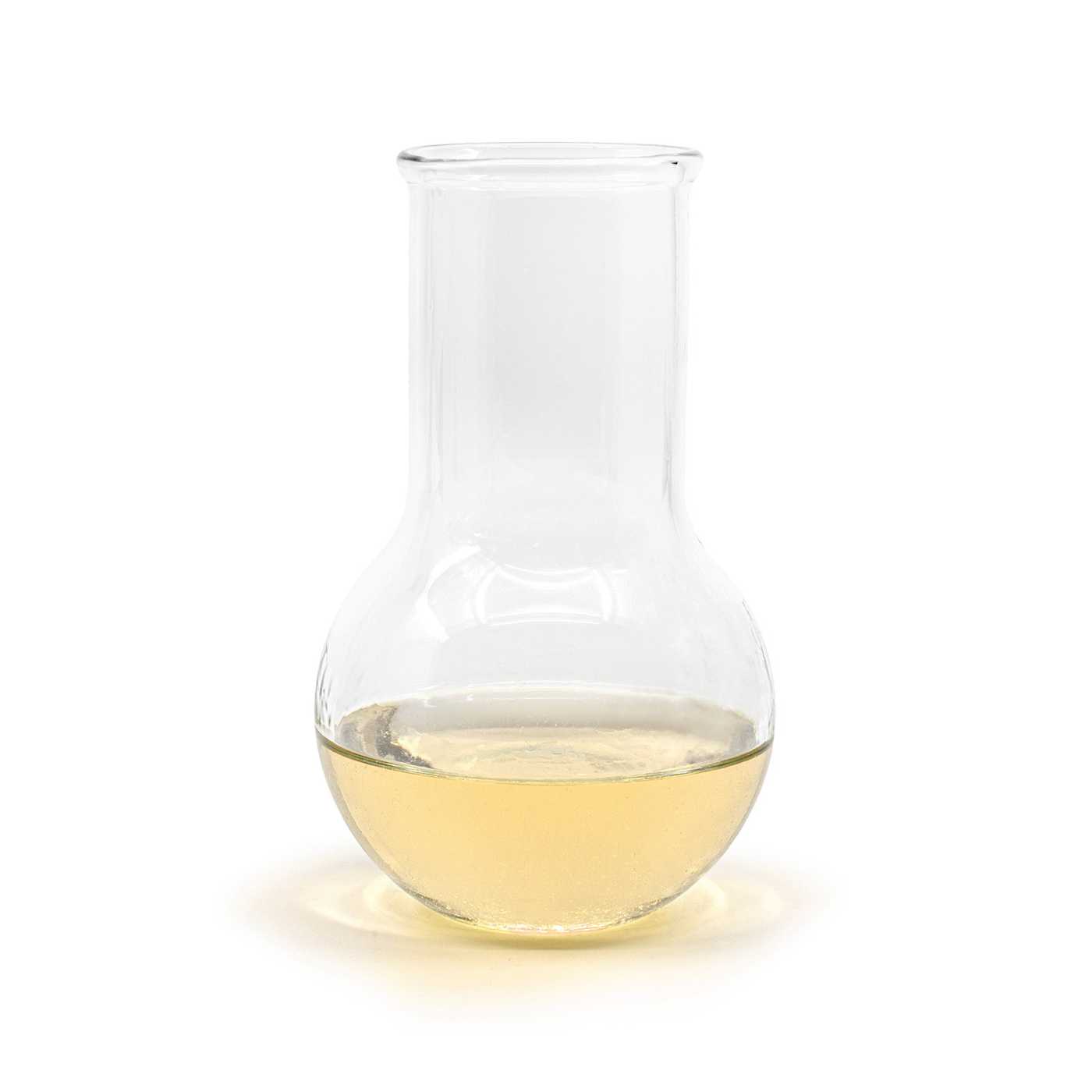
Fermented aqueous extract of Centella asiatica combines an extract of Asiatic pennywort leaves with a yeast ferment filtrate. full description

AvailabilityIn stock · 15 packs
Product codeEF002_1000
BatchLPFR105726
Best before10/2027
€78.49incl. VAT€78.49/l

Lowest price in the last 30 days: €70.64

Product description

Fermented aqueous extract of Centella asiatica combines an extract of Asiatic pennywort leaves with a yeast ferment filtrate. In cosmetics it soothes irritated skin and supports the renewal of the skin barrier and hydration. It dissolves in water, so you simply mix it into the water phase of serums, toners, creams and shampoos.

Customers also know the plant as cica, gotu kola or tiger grass.


How it works on the skin

Centella is best known for its triterpenes. These are associated with soothing irritated skin and supporting its regeneration. In cosmetics it is used mainly in products for sensitive, problem and acne-prone skin, where it helps to restore a damaged skin barrier.

The second part of the effect comes from fermentation. During it, yeasts of the genus Saccharomyces break down components of the plant material into smaller ones and add their own metabolic products. Fermented ingredients are used in cosmetics to support the skin microbiome and hydration.

The extract also has a place in the care of dry and mature skin. It has an antioxidant effect and supports skin elasticity.


How it differs from a regular centella extract

The main difference is in the effect. A regular aqueous or glycerine extract contains only substances leached from the plant. In addition to 22.5% leaf extract, the fermented extract contains 1–4% yeast ferment filtrate. It therefore adds the properties of fermented ingredients to the soothing effect of centella.

When working with this ingredient, you need to take its acidity into account. The extract contains 1.5% citric acid and is strongly acidic, which will affect the pH of the whole formulation.


Use in formulations

Mix the extract directly into a toner, serum or gel. The recommended usage rate is 1–10%. It is suitable for rinse-off and leave-on products for the face, the eye area, the body and the scalp.

In an emulsion, add the extract only during cooling, once the temperature drops below 40 °C. Do not boil it and do not add it to the hot phase.

The extract itself has a pH of 2.6–3.5 and noticeably lowers the pH of the product at higher usage rates. Always measure the pH after adding it and adjust it to the recommended range of 4–7.

An alkaline environment does not suit the extract. The triterpenes of centella are unstable in it: in research, a centella extract was stable at pH 5.8 and 7, but no longer at pH 8.2. It is therefore not suitable for alkaline products, including classic soap.

It is compatible with anionic, amphoteric and non-ionic surfactants. Do not combine it with strong oxidising and reducing agents or with strong acids and alkalis.


Suitable for products such as

  • Facial serums and toners – a water-based formula into which the extract is mixed cold.
  • Creams and lotions for sensitive and problem skin – it is added to the cooled emulsion.
  • Eye gels and creams – the ingredient is also intended for the eye area.
  • Shampoos and scalp toners – the extract is also used in hair care.
  • Shower gels and cleansing emulsions – as the extract is acidic, we recommend checking the pH of the finished product.
  • Body lotions and baby cosmetics – to soothe and hydrate dry skin.

Good to know

The preservatives in the ingredient are not sufficient for a finished product. The extract contains 0.2% sodium benzoate and 0.1% potassium sorbate, which preserve effectively only in an acidic environment and protect the ingredient itself. A product with a water phase must be preserved separately.

No alcohol or glycols are used in the production of the extract. The only solvent is water.

The ingredient is of plant origin, comes from Italy and is suitable for vegans. It does not contain fragrance allergens from Annex III of the Cosmetics Regulation or palm oil derivatives. It is not classified as hazardous under the CLP Regulation.


Frequently asked questions

Is fermented Centella asiatica extract water-soluble?
Yes, fermented aqueous extract of Centella asiatica is water-soluble and is added to the water phase. Mix it directly into toners, serums and gels, and into creams and lotions only after the emulsion has cooled below 40 °C. The extract itself is an aqueous solution consisting mainly of water and 22.5% centella leaf extract.
How much fermented centella extract should be added to a cream or serum?
The recommended usage rate of fermented centella extract is 1–10%. This range applies to rinse-off and leave-on products for the face, the eye area, the body and the scalp. As the usage rate increases, the pH of the product drops, because the extract is acidic. After mixing it in, measure the pH and adjust it.
What is the pH of fermented Centella asiatica extract, and will it affect the pH of the product?
Fermented Centella asiatica extract has a pH of 2.6–3.5 and lowers the pH of the product. The extract contains citric acid. The effect is most noticeable at higher usage rates, so measure the pH only after adding the extract. The finished product should have a pH of 4–7; the triterpenes of centella are unstable in an alkaline environment.
Can fermented centella extract be used in a shampoo or shower gel?
Yes, fermented centella extract can be used in shampoos, shower gels and cleansing emulsions. It is compatible with anionic, amphoteric and non-ionic surfactants and is also intended for the scalp. Add it to the cooled mixture below 40 °C and check the pH of the cleansing product at the end.
Does a product with fermented centella extract need to be preserved?
Yes, a product with a water phase must be preserved separately, even when it contains fermented centella extract. The sodium benzoate and potassium sorbate in the extract protect the ingredient itself and work effectively only in an acidic environment. Once diluted in a serum, toner or cream, they are not sufficient to protect the whole product.
Is fermented Centella asiatica extract suitable for sensitive skin and baby cosmetics?
Yes, fermented Centella asiatica extract is intended for sensitive, problem and dry skin and is also used in baby cosmetics. It does not contain fragrance allergens from Annex III of the Cosmetics Regulation, and no alcohol is used in its production. The finished product should have a pH of 4–7, so measure and adjust the pH after adding the acidic extract.

Parameters

INCI
Aqua, Centella Asiatica Leaf Extract, Saccharomyces Ferment Lysate Filtrate, Citric Acid, Sodium Benzoate, Potassium Sorbate
CAS No.
7732-18-5, 84696-21-9, 77-92-9 / 5949-29-1, 532-32-1, 24634-61-5 / 590-00-1
EC number
231-791-2, 283-640-5, 201-069-1, 208-534-8, 246-376-1
Product colour
Characteristic
Country of origin
Italy
Processing method
Fermentation
Appearance
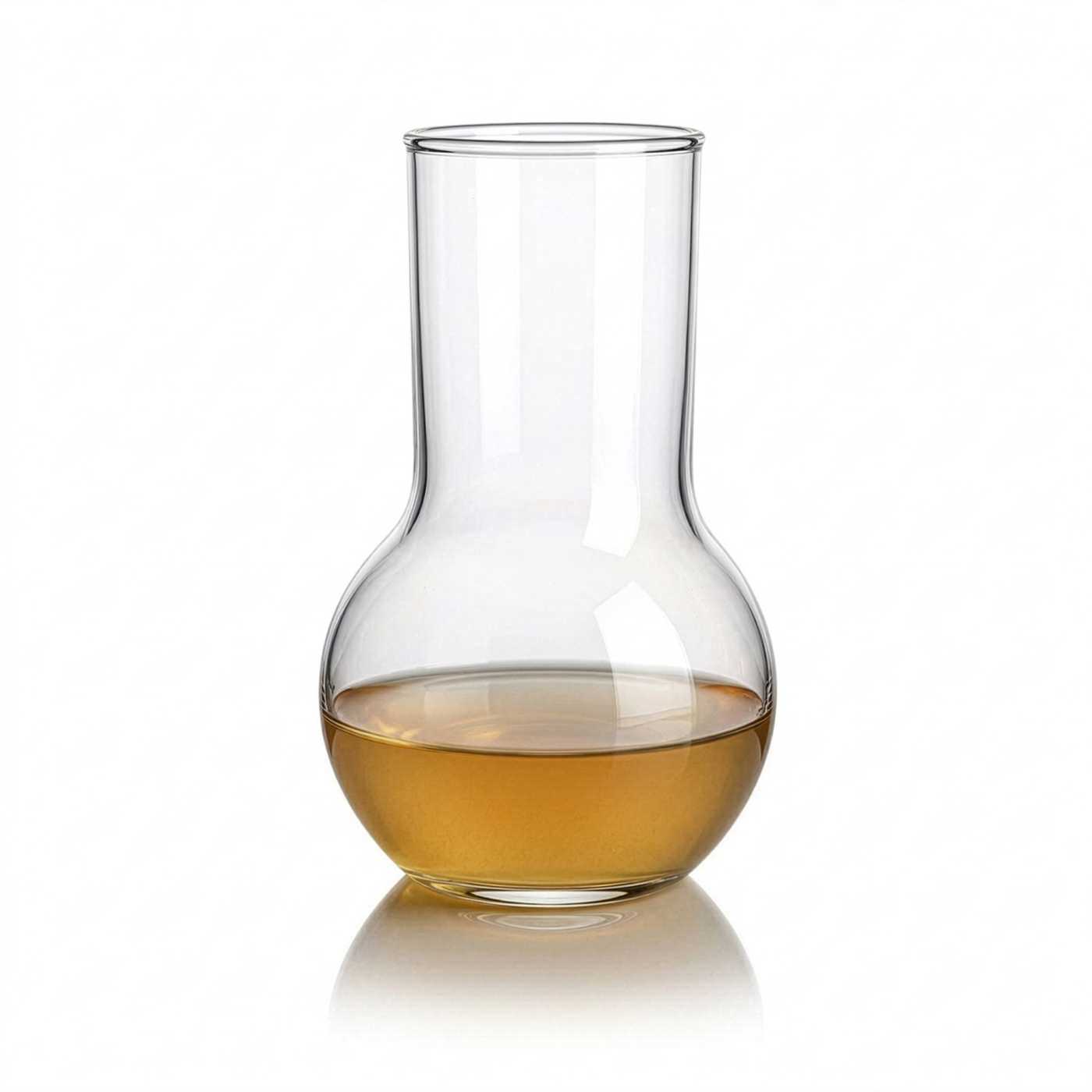
Liquid
Formulation phase
Water phase
Application area
FaceEye areaScalpBody
Recommended processing temperature
< 40 °C
Recommended usage rate
1 – 10 %
Recommended formulation pH range
4 – 7
Solubility
Water-soluble
Application type
Leave-onRinse-off
Biodegradability
Readily biodegradable
Certifications
Vegan
Natural Origin Index (NOI ISO 16128)
1,00
Volume
1000 ml

Product documentation

CoACertificate of Analysis
batch LPFR105726PDF ↓
batch LPFR287525PDF ↓
TDSTechnical Data Sheet
Physical parameters and processingPDF ↓
SDSSafety Data Sheet
Available for purchased products —
Download all (ZIP)

3 PDF files in one archive

Learn how to work with it

From our blog
ROCIO B.12 Nov 2026ES

Verified purchase

Kateřina P.23 Oct 2026CS

Verified purchase

ORGANIC HARMONY s. r. O.13 Oct 2026CS

Verified purchase

Ilona H.10 Oct 2026CS

Verified purchase

Variant: Centella Asiatica, Fermentovaný vodný extrakt, 100 ml
(4 reviews)