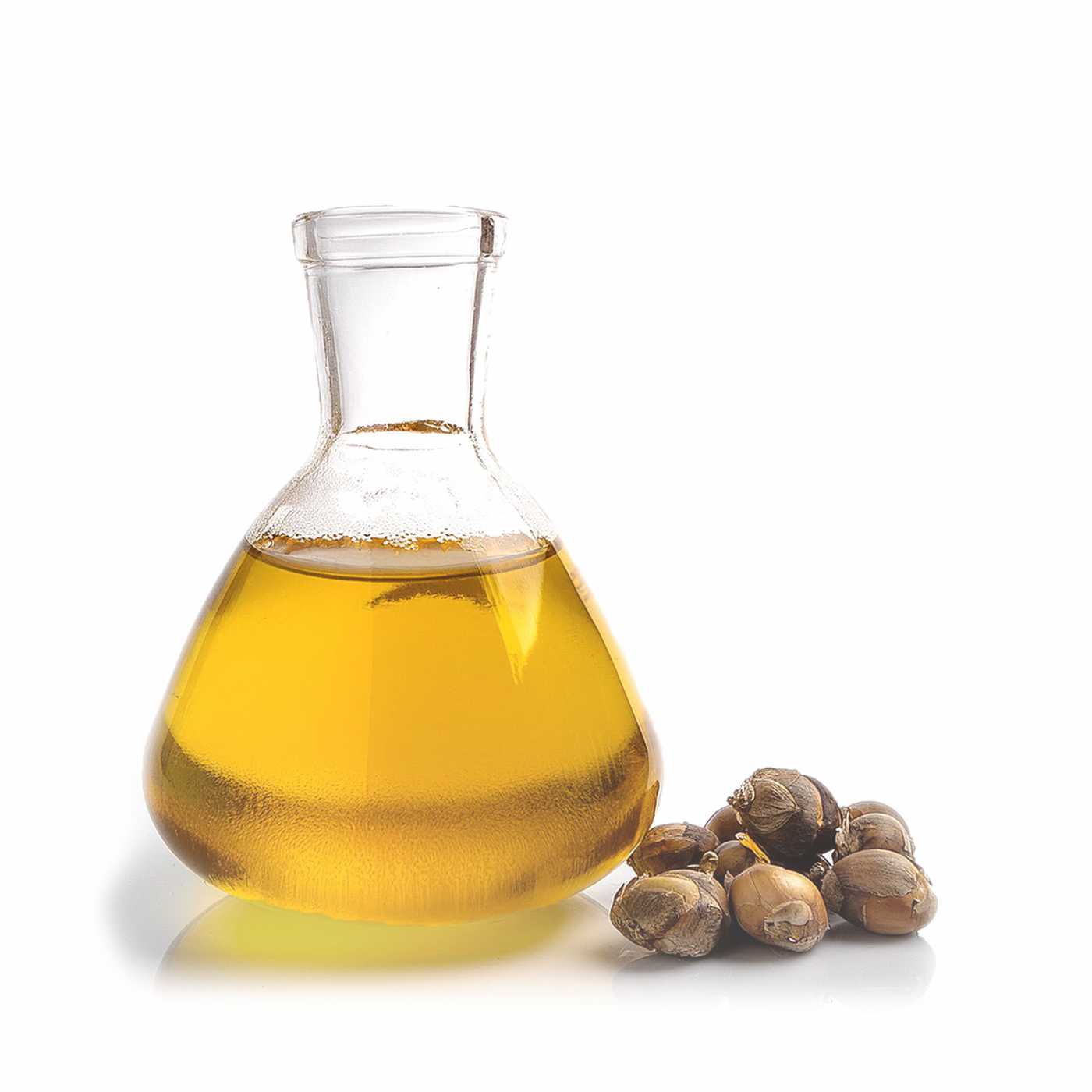
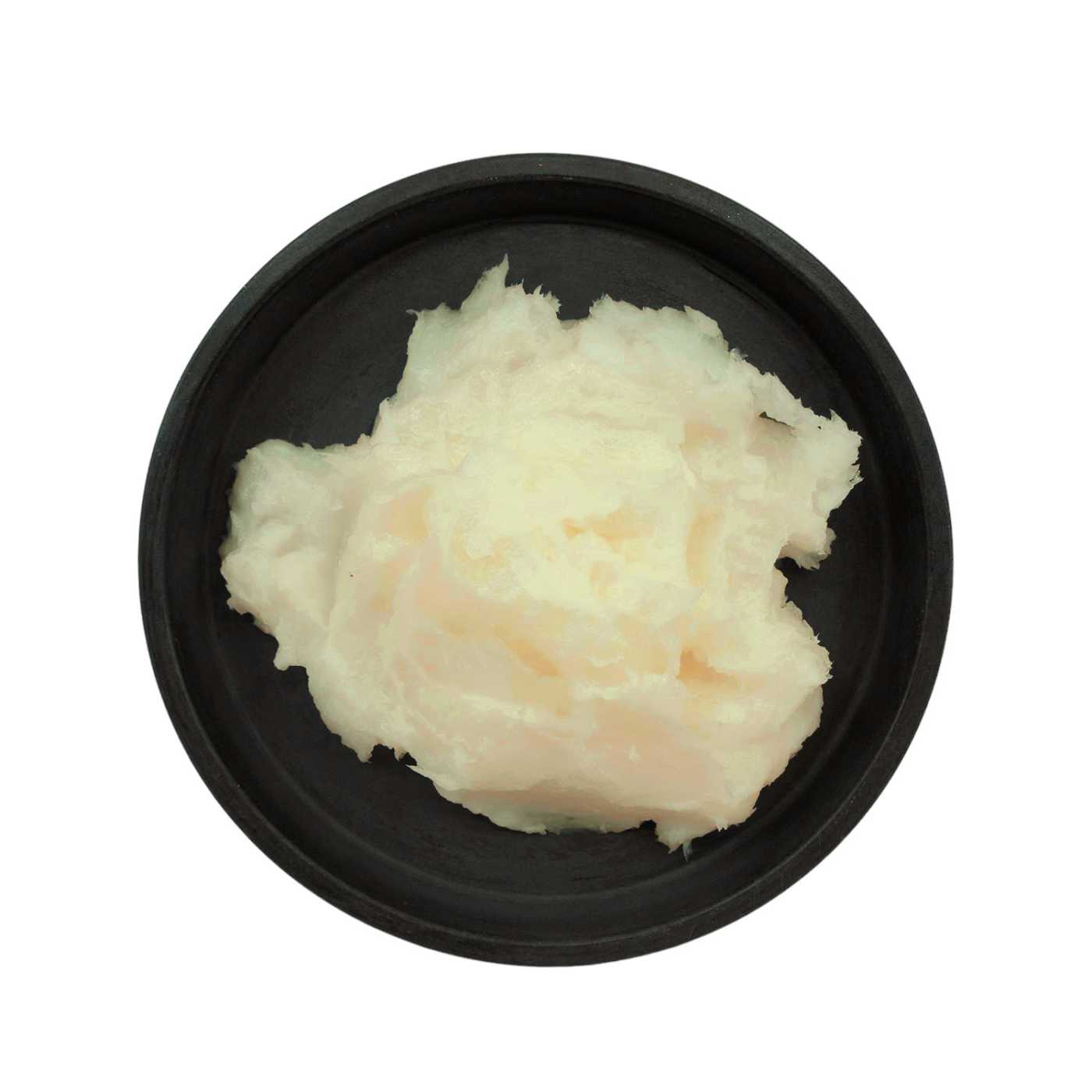
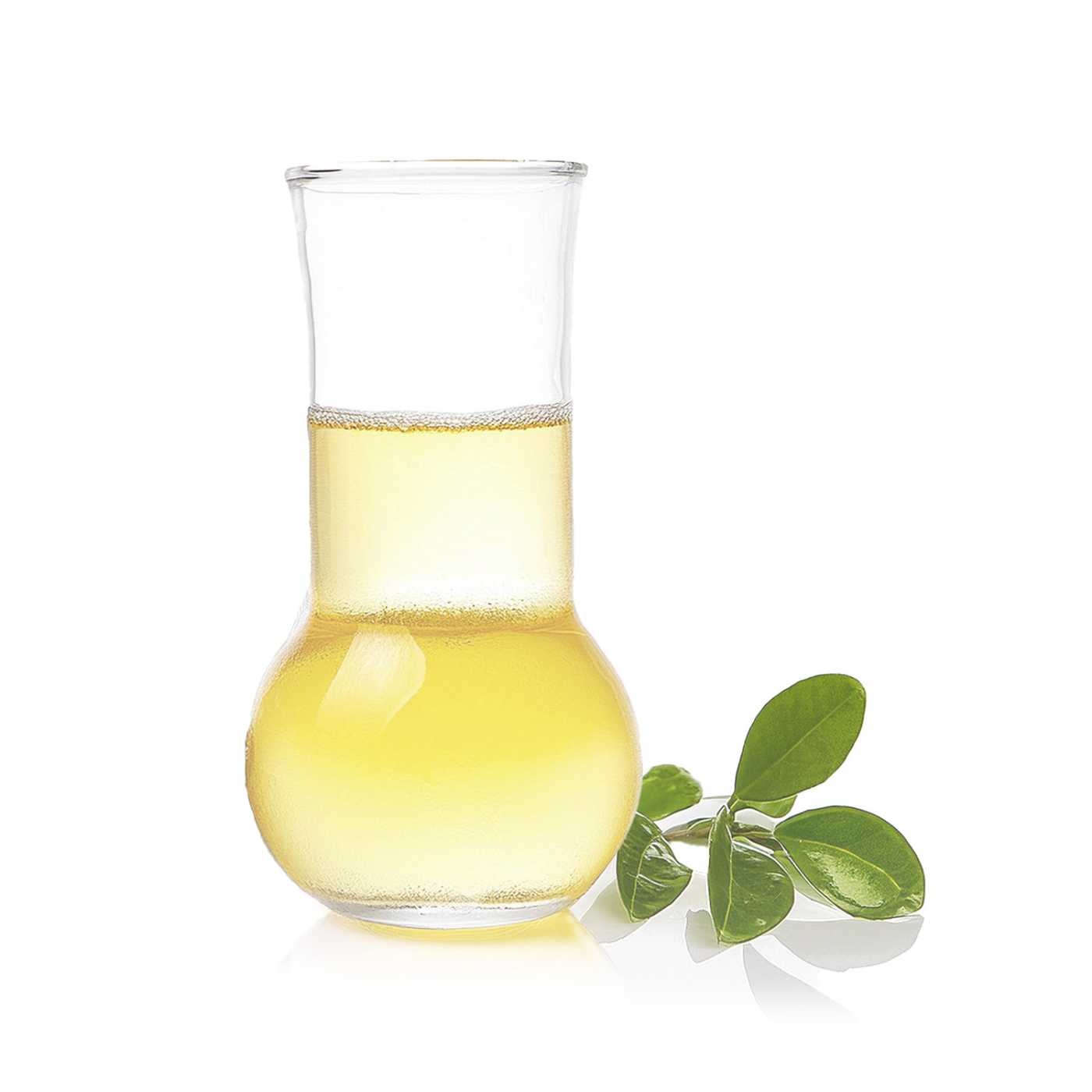
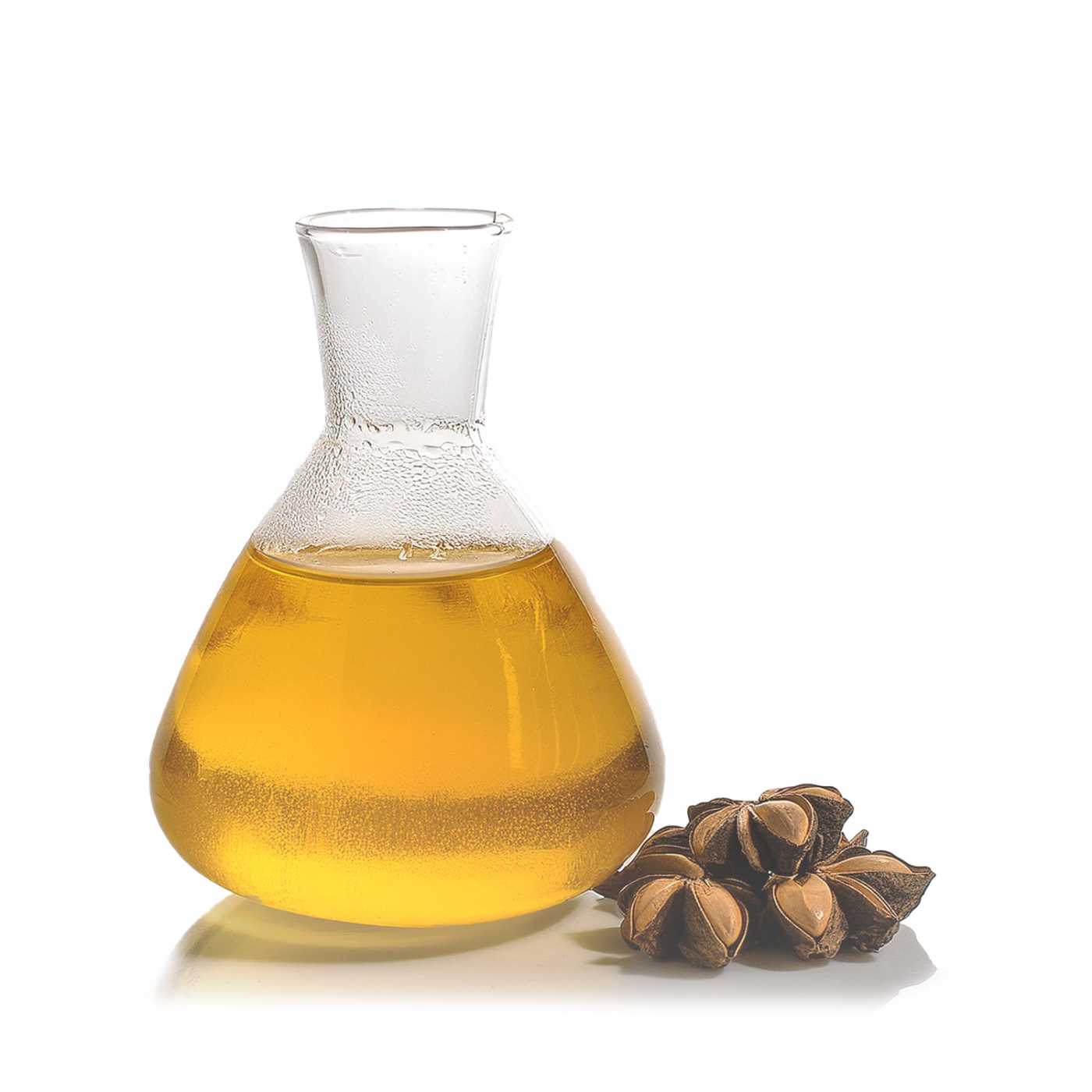
Castor oil, refined, is a vegetable oil obtained from the seeds of the castor bean plant (
Ricinus communis). The oil is most commonly obtained by pressing or extraction from the seeds and subsequently undergoes
refining, during which the content of accompanying impurities, colorants and odor components is reduced. The result is a light to almost colorless oil with a milder sensory profile, suitable for cosmetic formulations where
stability, viscosity, shine and good adhesion to the skin or hair are required.
Castor oil is specific for its high content of
ricinoleic acid, thanks to which it has different properties from most common vegetable oils. It is naturally more viscous, has a more pronounced occlusive and emollient character and, in anhydrous products, helps improve
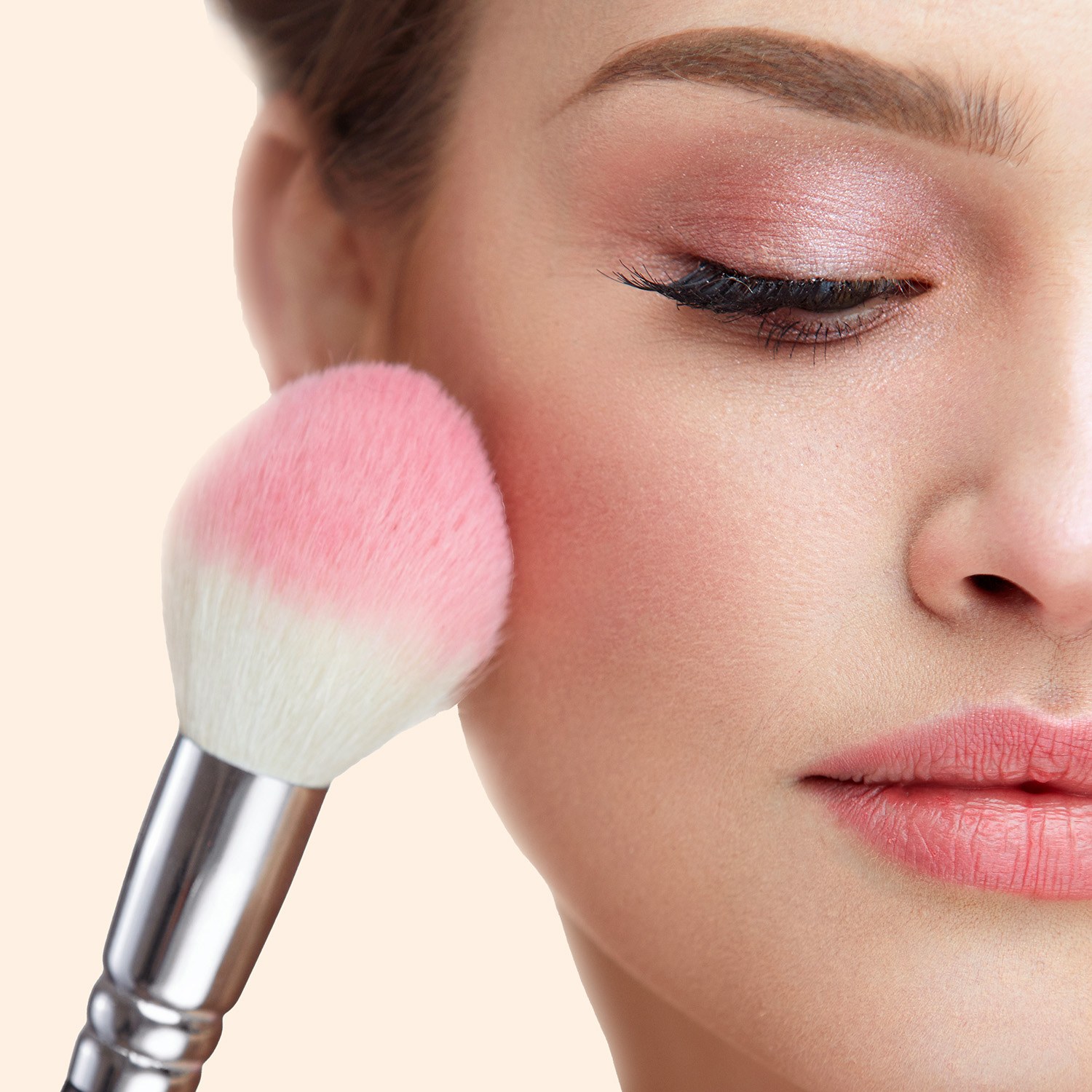
adhesion, slip and the protective film. In cosmetics it is used mainly in lip products, balms, massage oils, body oils, hair care, colour cosmetics and products intended for dry or stressed areas of the skin.
Key benefits
- Significantly softens the skin and supports a pleasant protective film on the skin surface.
- Increases shine in lip products, hair preparations and colour cosmetics.
- Improves the adhesion of the formulation, therefore it is suitable for balms, sticks, glosses and richer protective products.
- Has higher viscosity than many common vegetable oils, which helps to adjust the texture of anhydrous products.
- Refined grade has a milder odor and lighter colour, thus it less affects the final appearance and fragrance of the product.
- Suitable for dry, rough and stressed skin, especially in combination with butters, waxes and lighter vegetable oils.
- Supports slip during application in massage, body and protective oil blends.
Suitable for products such as
- lip balms, protective sticks and anhydrous balms,
- lip glosses and colour cosmetics requiring higher shine,
- body oils, massage oils and nourishing oil blends,
- butters and richer balms for dry areas of the skin,
- hair oils, end serums and products for enhancing hair shine,
- products for nails and cuticles,
- cleansing oils and cleansing balms, especially in combination with lighter oils and rinse-off emulsifiers,
- cold process soaps, where it is used as a supplementary oil to support lather and creaminess of the formula.
Use in formulation
- Castor oil is oil-soluble and particularly suitable for the oil phase of cosmetic products.
- It is miscible with vegetable oils, cosmetic butters, waxes, oil macerates, oil extracts, vitamin E and lipophilic active ingredients.
- It is compatible with anhydrous balms, sticks, emulsions, hair oils, cleansing oils, colour cosmetics and soap formulations.
- In lip balms and glosses it helps increase shine, thickness and adhesion.
- In oil blends it is often combined with lighter oils, for example almond, apricot, grapeseed or fractionated coconut oil, so that the final texture does not feel too heavy.
- In emulsions it is added to the oil phase and can improve the nourishing feel, especially in creams and balms for drier skin.
- In cold process soaps it is used rather at a lower percentage, because at higher dosage it can affect the hardness and drying rate of the soap.
- The recommended dosage depends on the type of product: in oil blends approximately 1–20 %, in lip balms and glosses also higher according to the desired viscosity, in cold process soaps often approximately 2–8 % of the total amount of oils.
Safety and storage
- Intended for cosmetic use in accordance with common cosmetic manufacturing practice.
- For sensitive skin or when used in products intended for the face it is advisable to verify the tolerance of the finished product on a small area of skin.
- In lip products use only cosmetic-grade flavours, colorants and fragrances intended for this area of application.
- Store in a well-closed container, away from direct sunlight, moisture and sources of heat.
- During manufacture work with clean utensils and minimise the contact of the oil with air in order to preserve its sensory quality.
FAQ
Is refined castor oil more suitable for cosmetics than unrefined?
Refined castor oil is particularly suitable when the product is to have a milder scent, lighter colour and a more stable sensory profile. The unrefined version may have a more pronounced natural odor and a darker shade.
Why is castor oil so thick?
Its thickness is related mainly to its high content of ricinoleic acid. This fatty acid influences the polarity, viscosity and adhesion of the oil, therefore it behaves differently from common vegetable oils.
Can castor oil be used in products for eyelashes and eyebrows?
Yes, it is used in oil preparations for eyelashes and eyebrows, mainly for its viscosity, shine and ability to create an even film. For products near the eyes, very clean manufacturing and suitable packaging are important.
Is castor oil suitable for oily skin?
For oily skin it is usually used carefully and at a lower percentage, because it has a heavier and film-forming character. In cleansing oils it may be suitable in combination with lighter oils and a rinse-off emulsifier.
How does castor oil affect the final texture of a balm?
It increases the richness, shine and adhesion of the balm. At a higher percentage the final product may be more tacky, therefore it is often balanced with lighter oils, butters or waxes.
Can castor oil also be used in emulsions?
Yes, it can be part of the oil phase of creams, milks and balm emulsions. In emulsions it is used mainly to improve the nourishing feel and protective film.